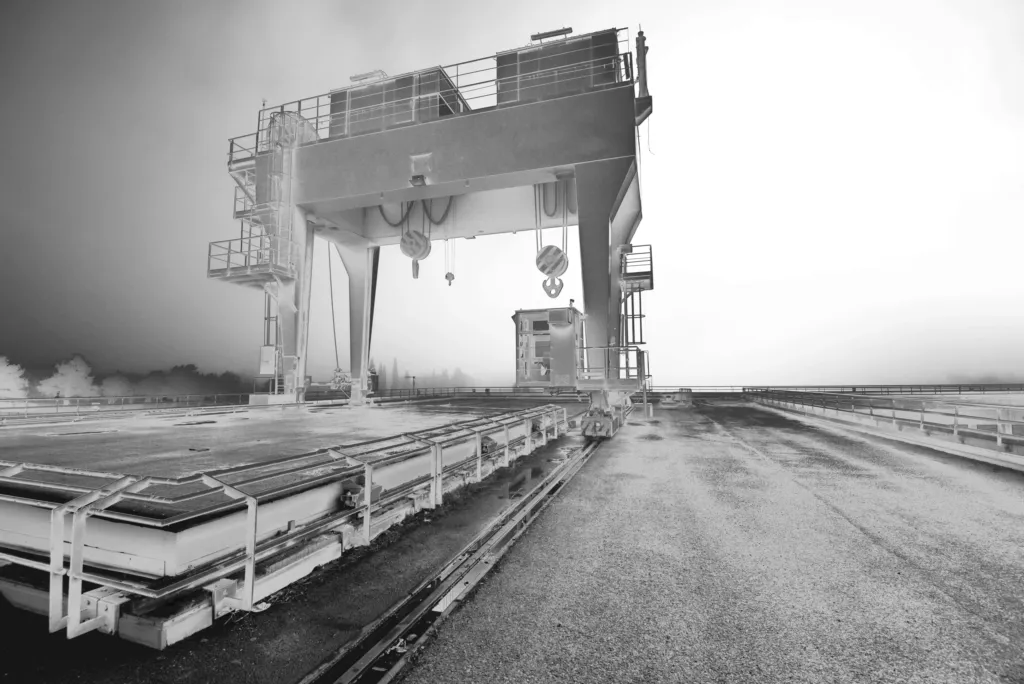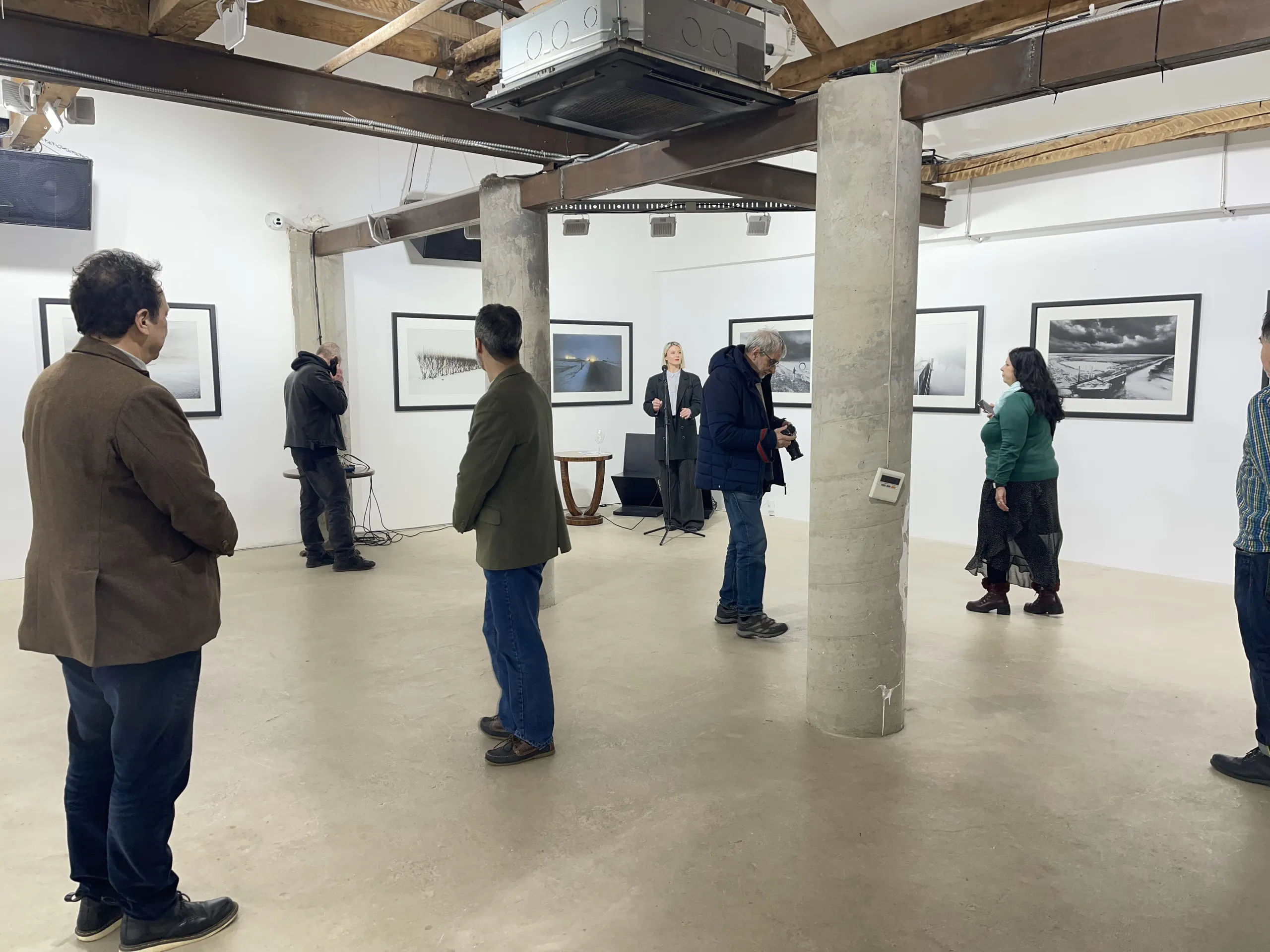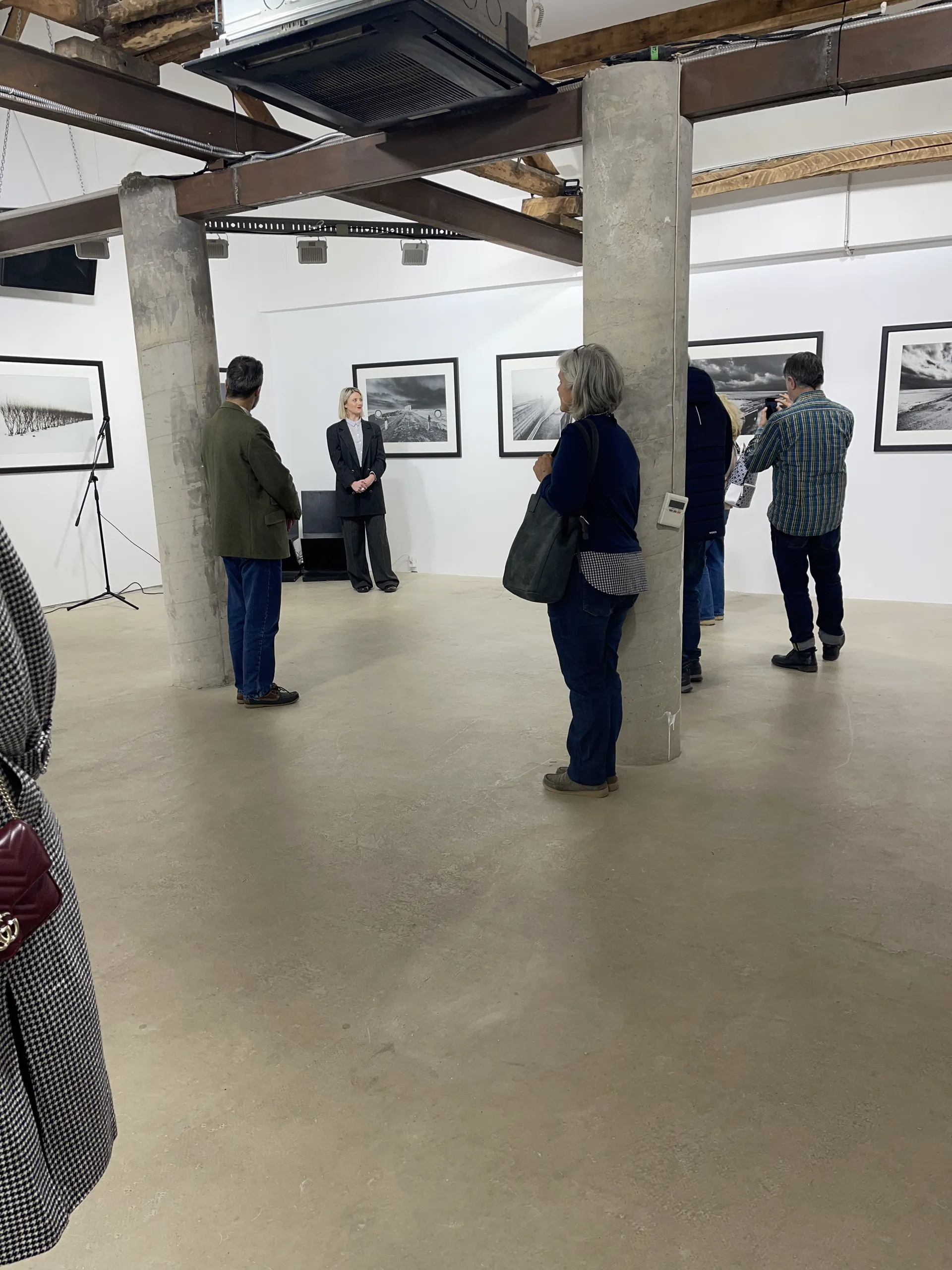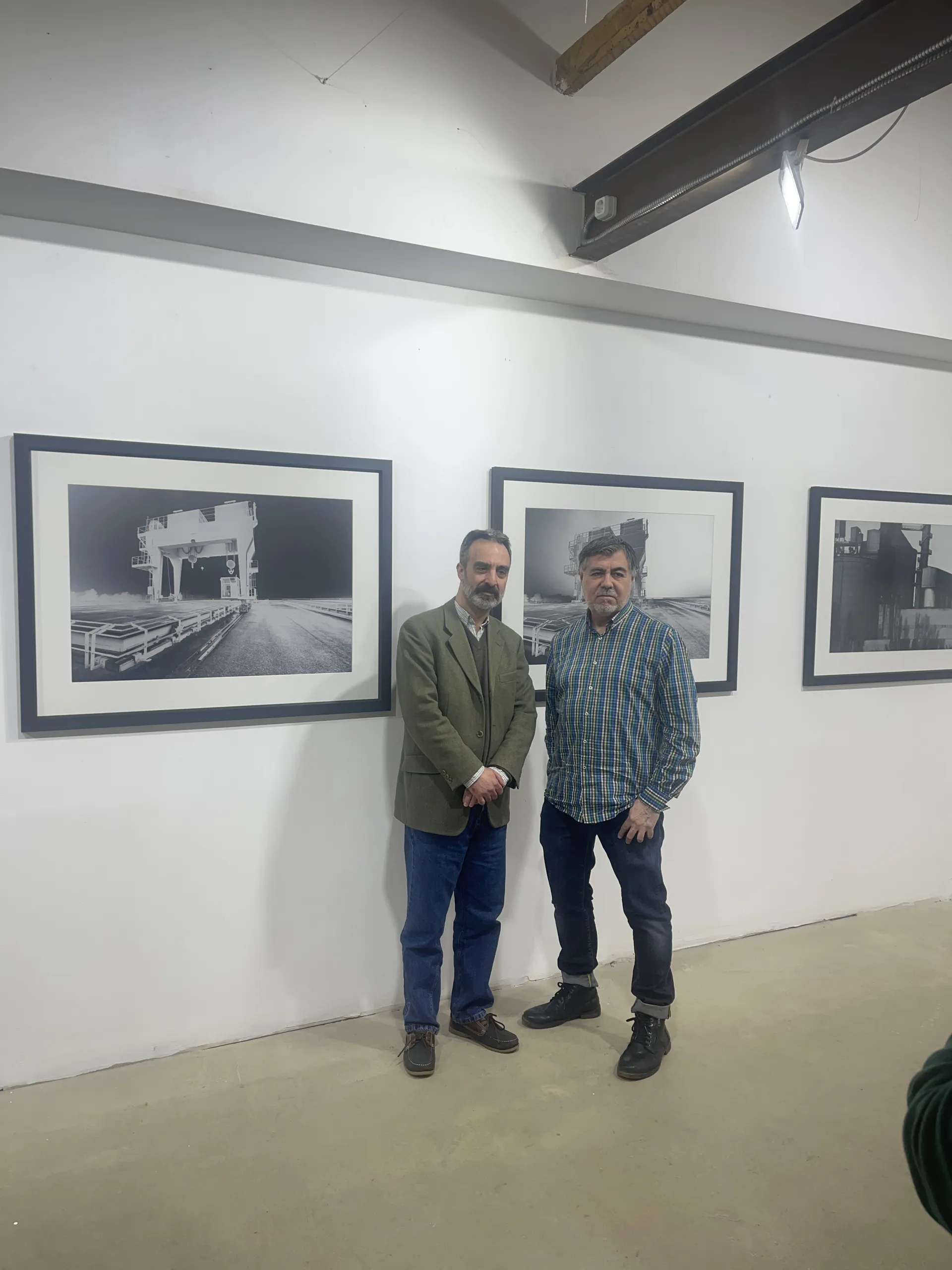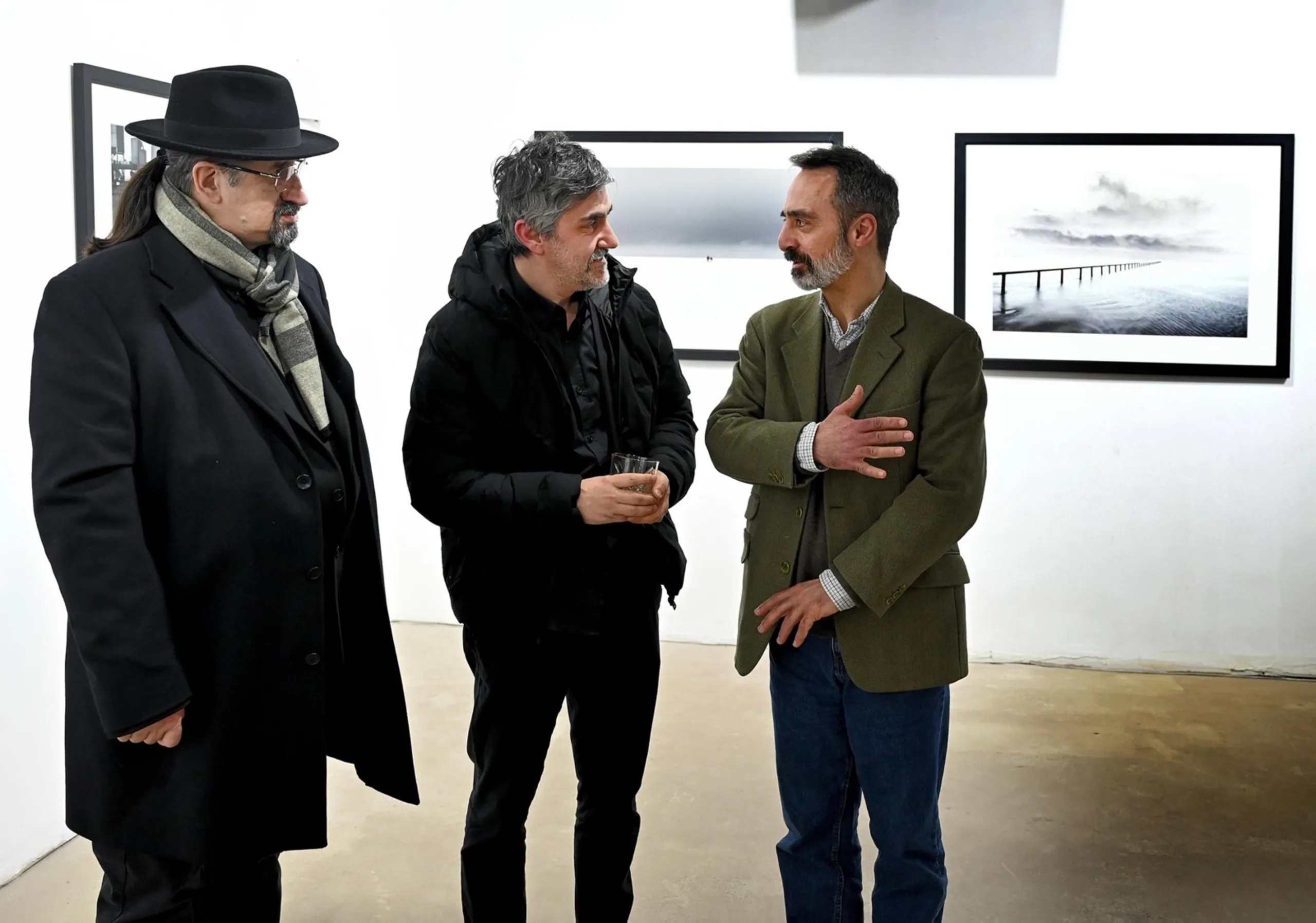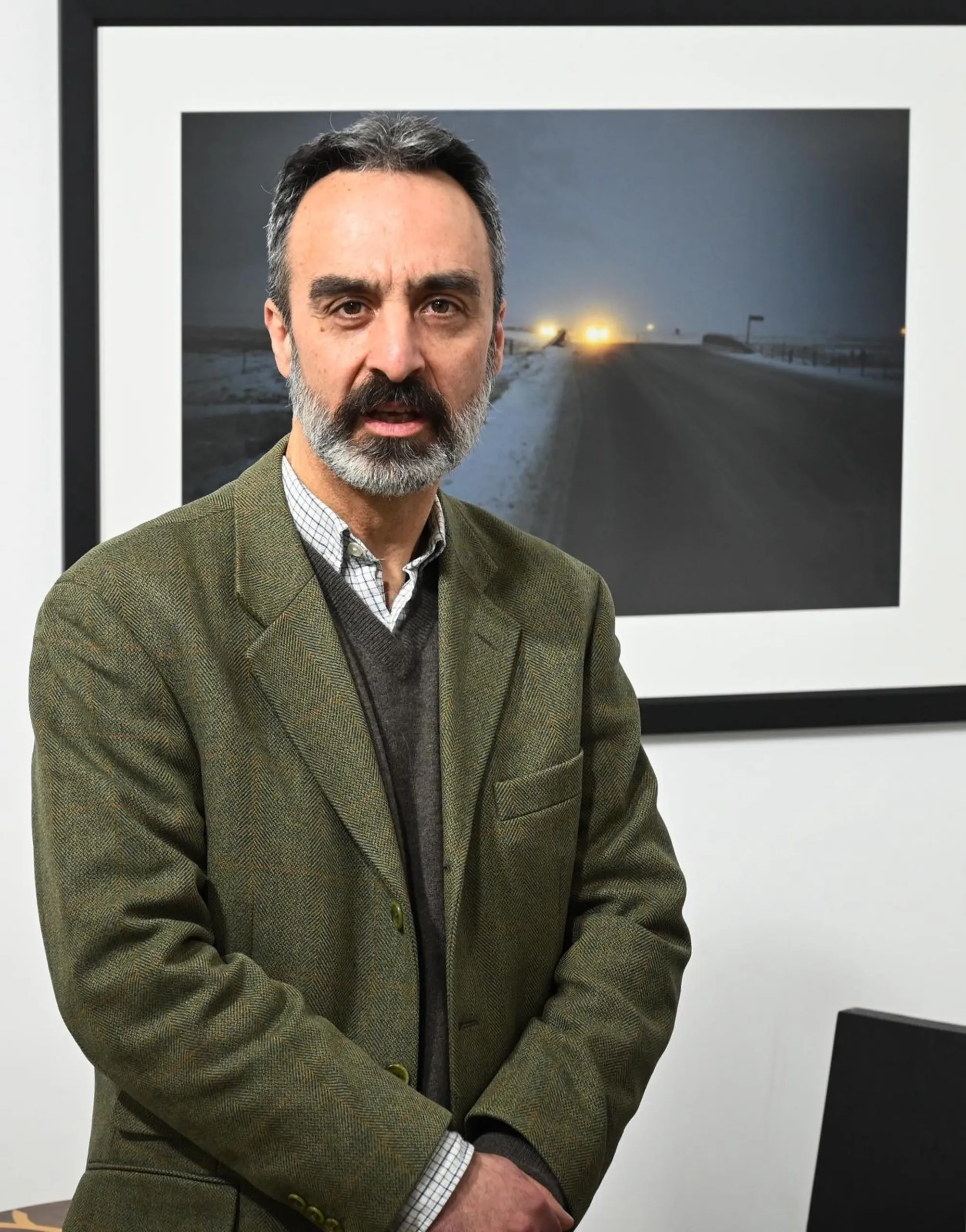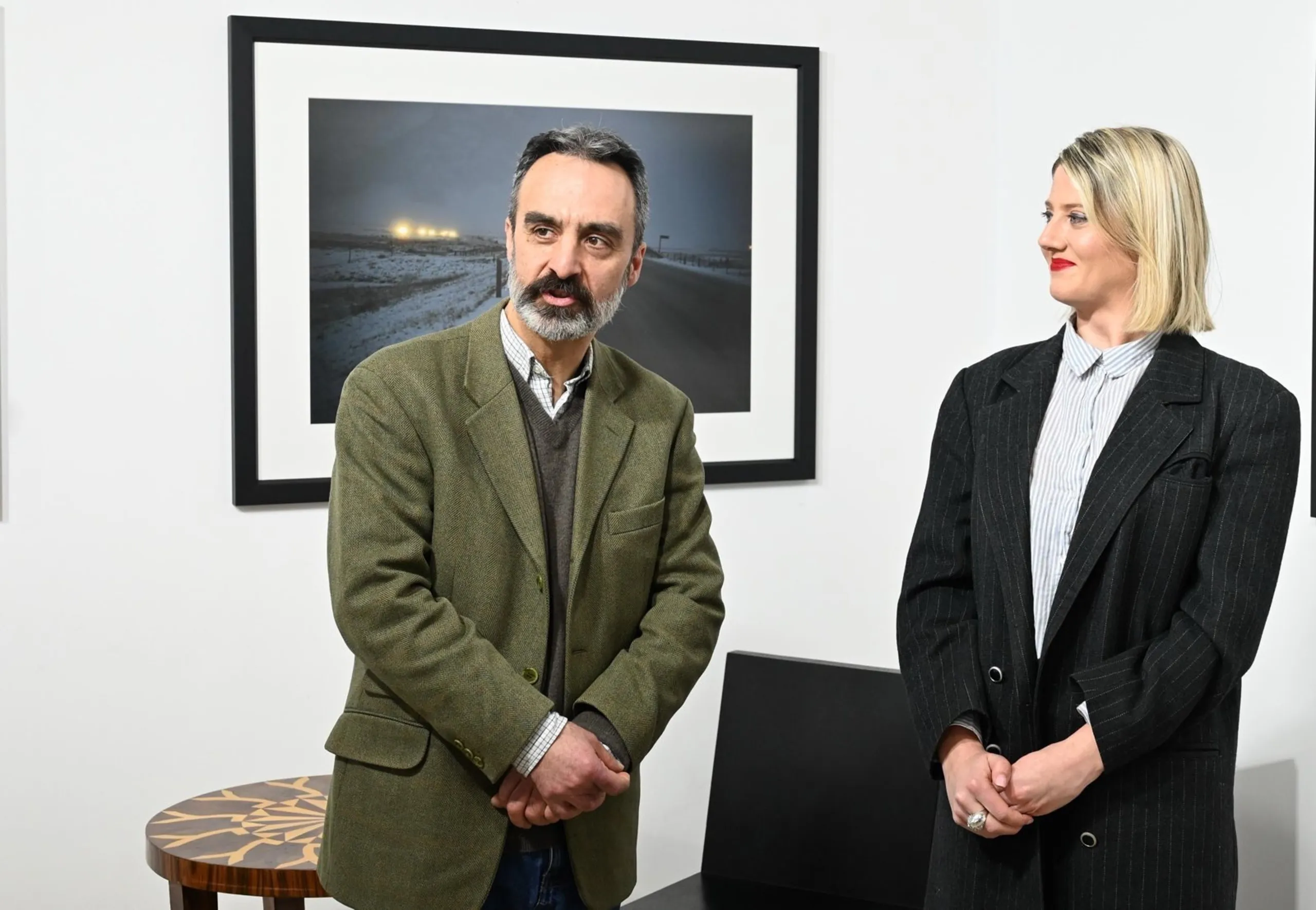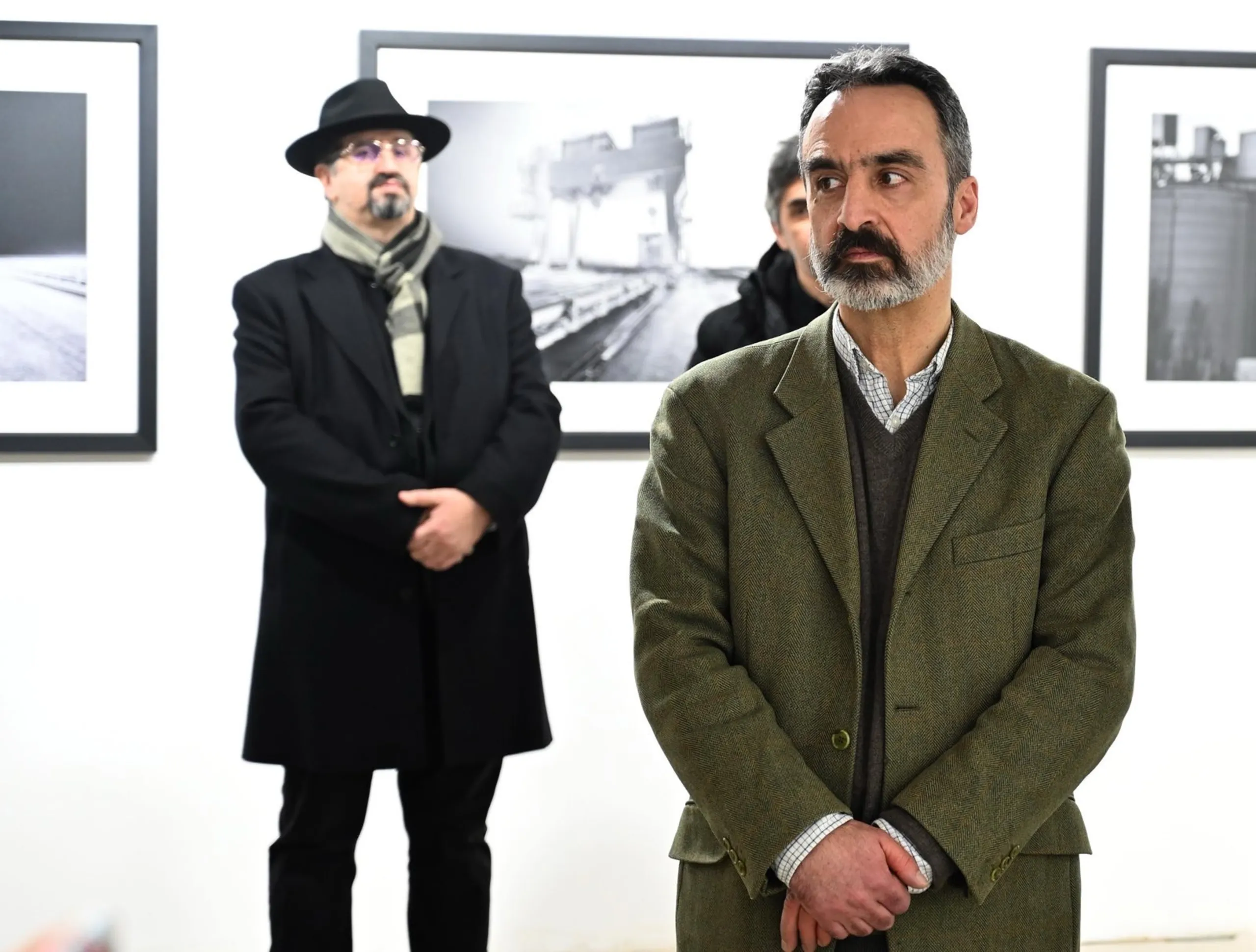
Shahriar Mazandi’s work concerns the visible and the invisible—that which lies beyond the boundaries of three-dimensional perception. His photographic work, which resembles what was known as solarization during the era of analog film, hints at the 4th, 5th dimensions and beyond what can be imagined but not perceived.
As a product of Anglo-Iranian multiculture, the poems accompanying his work are influenced by Jalal al-Din Rumi from the East and A.E. Housman from the West.
His conventional photographs are minimalist, relying on a reduction to key compositional elements with subjects often distant and remote in vast landscapes—raising the question, “Are we like insignificant specks of dust in a vast universe, or does each of us have a greater purpose?”
The fire-based series are mirrored and refracted six times through a mirror filter until they resemble Rorschach inkblot tests. They have no single fixed point of reference; rather, what is observed is subject to the viewer’s perception. Some may see distorted anatomy, impossible zoomorphic forms, or any other shape emerging from the individual’s own Pandora’s box.
In contrast, the cityscape paintings in oil on canvas have a strong fixed focal point that acts as an ‘axis mundi,’ with buildings or structures serving as connecting rods between this realm and those above and below.